
If you’re looking to enhance your gambling experience, https://moneytrain4.eu/, Money Train 4 Slot provides an array of limited-time deals designed just for you, particularly if you’re in the UK. With tempting rewards like wagerless free spins and match deposits, these deals can substantially enhance your prospective winnings. But how do you capitalize on these opportunities? Let’s examine the present promotions and tips that can elevate your gameplay even further.
Key Takeaways
- Take advantage of unique reward promotions like match deposits and wager-free free spins designed for Money Train 4 slot players in the UK.
- Utilize limited-time free spins during unique events to improve your gaming experience.
- Claim enhanced Welcome Bonuses on your first deposit, providing extra funds to experience the game.
- Take part in loyalty rewards that allow gathering of points for convertible bonuses, including VIP rewards.
- Stay updated on promotions by reviewing the official website and signing up for newsletters for newest offers.
Overview of Money Train 4 Slot Features
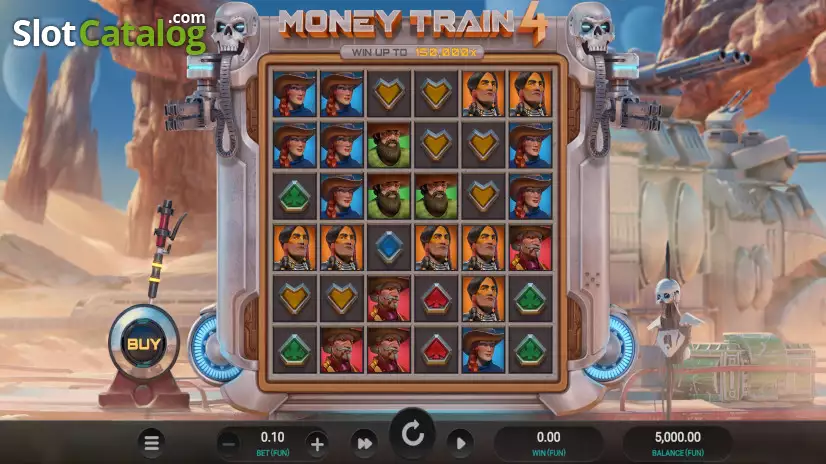
Money Train 4 Slot presents an engaging combination of features that holds players engaged and amused. You’ll dive into a vibrant world filled with dynamic symbols and fascinating animations.
The game boasts a thrilling free spins feature that triggers exclusive multipliers, boosting your possible rewards. You’ll also find a unique buy feature, enabling you to buy directly into the free spins round, boosting your excitement.
The game features unique character symbols, each with special abilities that can result in massive payouts. Watch for the Wild and Bonus symbols, as they can open the game’s most rewarding options.
Current Limited Offers and Promotions
If you’re looking to enhance your gameplay on Money Train 4, there are some exciting promotions to check out.
You’ll find unique promotional deals and time-limited complimentary spins that can significantly boost your gaming session.
Let’s discover what’s on offer right now!
Latest Promotions Overview
As excitement increases around the Money Train 4 slot, players can take advantage of an array of time-sensitive offers created to boost their gaming experience.
Here’s a brief glimpse at what’s presently on offer for you:
- Boosted Welcome Bonuses
- Free Spins
- Cashback Offers
- Slot Tournaments
- Loyalty Rewards
Make sure you don’t miss out on these thrilling promotions while they continue!
Exclusive Bonus Offers
Thrilling special promotional deals are waiting for players eager to dive into the world of Money Train 4.
Currently, you’ll find enticing promotions that can greatly boost your play. Many internet casinos are introducing limited-time deals, including matching deposits and no-wagering free spins.
These promotions not only boost your balance but also boost your odds of scoring those large successes. Look out for special VIP rewards, as dedicated players might unlock even more rewarding deals.
Don’t miss your shot to enhance your session—look frequently for the newest offers designed just for you.
Grab these time-sensitive promotions now, and gear up to embark on the exhilarating Money Train 4 experience!
Time-Limited Free Spins
Now’s the best time to take temporary complimentary spins on Money Train 4, which can elevate your session without spending too much.
These turns not only enhance your playtime but also raise your odds of winning big. You’ll want to watch for these exciting offers:
- Daily Promotions
- New Player Bonuses
- Loyalty Rewards
- Seasonal Events
- Social Media Offers
How to Claim Your Freeroll Bonuses
To claim your freeroll bonuses, you first need to register your account now if you haven’t already.
After that, ensure you meet the required wagering requirements to access those bonuses.
Don’t forget to monitor ongoing promotions to boost your rewards!
Register Your Account Now
Everyone loves a good deal, and registering your account for Money Train 4 Slot opens the door to amazing freeroll bonuses.
Claiming these bonuses is a simple process that can enhance your gaming experience. Here’s how to begin:
- Visit the Money Train 4 Slot website and click on “Register.”
- Fill out the required details, including your email and password.
- Verify your account through the email sent to you.
- Log in to your account and check the promotions section.
- Opt-in for freeroll bonuses, and you’re set to enjoy the perks!
Don’t overlook these offers; register now to increase your opportunity for big wins while playing Money Train 4!
Meet Required Wagering Conditions
While claiming your freeroll bonuses for Money Train 4 Slot can be thrilling, it’s crucial to satisfy the required wagering requirements to access those rewards.
To begin, thoroughly read the information related to your bonus; they will describe how many times you need to wager the bonus amount. Once you know the conditions, play the qualifying https://www.annualreports.com/HostedData/AnnualReportArchive/r/NYSE_RSI_2021.pdf games specified in the terms.

Every bet you place contributes to fulfilling the requirements, so stay involved. Don’t forget to track your progress; many sites display how much you’ve bet.
Aim to finish the wagering within the given timeframe; otherwise, you jeopardize losing your bonus. By following these steps diligently, you’ll maximize your chances of enjoying those attractive freeroll bonuses efficiently!
Keep Track of Promotions
Monitoring promotions can significantly improve your experience with Money Train 4 Slot, as it allows you to claim freeroll bonuses efficiently.
Here’s how you can stay on top of these offers:
- Sign up for newsletters from your favorite online casinos to get updates straight to your inbox.
- Follow social media accounts of casinos and gaming platforms for instant promotions.
- Set reminders for deposit deadlines or promotional windows to never miss out.
- Use a spreadsheet to log bonuses and expiration dates for convenient reference.
- Join gaming forums to gain insights from fellow players about hidden offers and tips.
Tips for Maximizing Your Gameplay
To enhance your experience in Money Train 4 Slot, focusing on strategic gameplay can significantly impact your outcomes.
Start by setting a budget before you play—this helps keeping control over your spending. Think about choosing smaller bets to prolong your gameplay; this way, you can experience more spins and boost your chances of achieving big payouts.
Pay attention to the game’s special features and how they work, as they can boost your winnings significantly.
Don’t forget to take breaks; refreshing your mind can help maintain focus and attentive to your strategy.
Finally, always keep an eye on available promotions and bonuses—these can offer additional funds or spins, enhancing your overall experience and potential returns.
Enjoy spinning!
Why Money Train 4 Is a Player Favorite
One factor Money Train 4 has become a player favorite is its exciting blend of captivating graphics and engaging gameplay.
You’ll find yourself engulfed in a lively world that holds you on the edge of your seat. Here are some features that make this slot stand out:
- Exciting Bonus Rounds
- High Payout Potential
- Dynamic Soundtrack
- User-Friendly Interface
- Regular Promotions
With all these aspects combined, it’s no wonder Money Train 4 is a go-to for many players!
Getting Started With Online Slots in the UK
As you dive into the thrilling world of online slots in the UK, you’ll find a range of platforms created to enhance your gaming experience.
First, choose a reputable online casino that offers the slots you love. Sign up for an account—most sites make this quick and easy. Don’t forget to take advantage of welcome bonuses; they can provide you additional funds to play with.
Once you’re all set, browse through the slot games offered. Read the game rules and paytable to comprehend how to optimize your wins.
Set your budget before you start playing to ensure your gaming enjoyable and responsible. Finally, jump into the action, watching for special promotions like those for Money Train 4. Have fun!
Frequently Asked Questions
Are There Specific Eligibility Requirements for the Limited Offers?
Absolutely, there exist frequently specific eligibility requirements for limited offers. Generally, you must be of legal age, reside in the designated region, and meet any account status criteria. Be sure to check the terms and conditions for details.
How Often Do the Promotions for Money Train 4 Change?
The promotions for Money Train 4 change frequently, often weekly or every two weeks. You should watch the site or subscribe to notifications so you won’t miss any new offers or deals.
Can I Claim Multiple Offers at Once?
Absolutely, you can usually claim multiple offers at once, but it depends on the specific terms. Be sure to read the conditions attached to each promotion to see how they can be combined.
Is There a Minimum Deposit Required for Bonuses?
Absolutely, you’ll usually need to make a minimum deposit to qualify for bonuses. Each promotion may have different requirements, so it’s a good idea to check the specific terms before you deposit.
What Payment Methods Are Accepted for Deposits and Withdrawals?
You can use a variety of payment methods for deposits and withdrawals, including credit cards, debit cards, e-wallets like PayPal and Skrill, and bank transfers. Only pick the one that is best for you best.
Conclusion
In conclusion, Money Train 4 Slot’s regular limited offers and special promotions make it an thrilling choice for UK players. By taking advantage of match deposits, no-wagering free spins, and cashback incentives, you can maximize your winnings and boost your gaming experience. So, explore the vibrant world of Money Train 4, check out the latest promotions, and relish every spin! Don’t miss out on all the fun and potential rewards available to you!