
Wenn in Deutschland Störungen mit der Spin Samurai Casino App auftreten, ist ein geordnetes Vorgehen unerlässlich, um diese zielgerichtet zu erkennen und zu beheben. Durch die Untersuchung gewöhnlicher Fehler wie Netzwerkunterbrechungen, Anmeldefehler, Zahlungsprozesse und App-Zuverlässigkeit können wir Unterbrechungen verringern. Jeder Prozess erfordert unsere Aufmerksamkeit für Einzelheiten, um ein reibungsloses Spielerlebnis zu garantieren. Wir sollten diese grundlegenden Vorgehensweisen zur Problembehebung prüfen, um den Gaming-Spaß und die Funktionalität der App aufrechtzuerhalten.
Hauptsächliche Erkenntnisse
- Um Crashs und Leistungsprobleme zu vermeiden, gewährleisten Sie, dass Ihr Apparat die Hardwareanforderungen der App einhält.
- Um eine optimale Effizienz zu erzielen, kontrollieren Sie Ihre Internetverbindung, indem Sie die WLAN-Signalstärke testen und einen Speedtest durchführen.
- Sollten Sie Schwierigkeiten beim Einloggen erleben, checken Sie Ihre Anmeldedaten und erwägen Sie die Möglichkeit zur Passwort-Reset der App als Option.
- Beheben Sie Zahlungsfehler, indem Sie sicherstellen, dass Ihre Zahlungsart korrekt ist, über genügend Guthaben verfügt und die Transaktionslimits respektiert.
- Bereinigen Sie regelmäßig den Cache der App und erneuern Sie sie auf die neueste Ausgabe, um Störungen zu beheben und die Funktionalität zu verbessern.
Gewöhnliche Fehler mit der Spin Samurai Casino-App
Bei der Anwendung der Spin Samurai Casino App können diverse oft erscheinende Störungen erscheinen, die das Gaming-Erlebnis beeinträchtigen dürfen.
Ein Hauptproblem sind App-Abstürze oder Freezes, die häufig auf ungenügenden Speicherplatz oder veraltete Anwendungen zurückzuführen sind. Auch Login-Probleme sollten beachtet werden, da falsche Zugangsdaten oder Serverprobleme den Zugriff verhindern können.
Ein weiteres häufiges Problem sind Zahlungsprobleme; Verzögerungen bei Ein- oder Auszahlungen können auf mangelnde Kompatibilität der Bankmethoden oder fehlende Kontoüberprüfung zurückzuführen sein.
Darüber hinaus könnten wir auf Spielmechanik-Probleme stoßen, wie etwa langsamen Animationen oder nicht reagierende Tasten, was unser Gaming-Erlebnis stören kann.
Die Identifizierung dieser wiederkehrenden Probleme ist der erste Schritt zu einer effektiven Fehlerbehebung und zur Verbesserung unserer Spielerlebnisse.
Überprüfung Ihrer Internetverbindung
Eine stabile Internetverbindung ist für ein reibungsloses Spielerlebnis in der Spin Samurai Casino App notwendig. Um dies sicherzustellen, sollten wir zunächst unseren Verbindungstyp überprüfen.
Wenn wir Wi-Fi nutzen, sollten wir die Netzstärke überprüfen; schwache Signale können zu Verbindungsabbrüchen führen. Ein Speedtest gibt Einblick in unsere Internetgeschwindigkeit – idealerweise sollten wir mindestens 5 Mbit/s für beste Performance erreichen.
Bei mobilen Datenverbindungen sollten wir sicherstellen, dass wir uns in einem gut abgedeckten Bereich befinden. Außerdem ist es ratsam, Router oder Modem neu zu starten, falls Störungen vorkommen, da dies die Verbindung zurücksetzen und temporäre Probleme lösen kann.
Durch die kontinuierliche Kontrolle des Datenvolumens kann zudem eine Geschwindigkeitsreduzierung durch den Provider verhindert und somit unser Spielerlebnis verbessert werden.
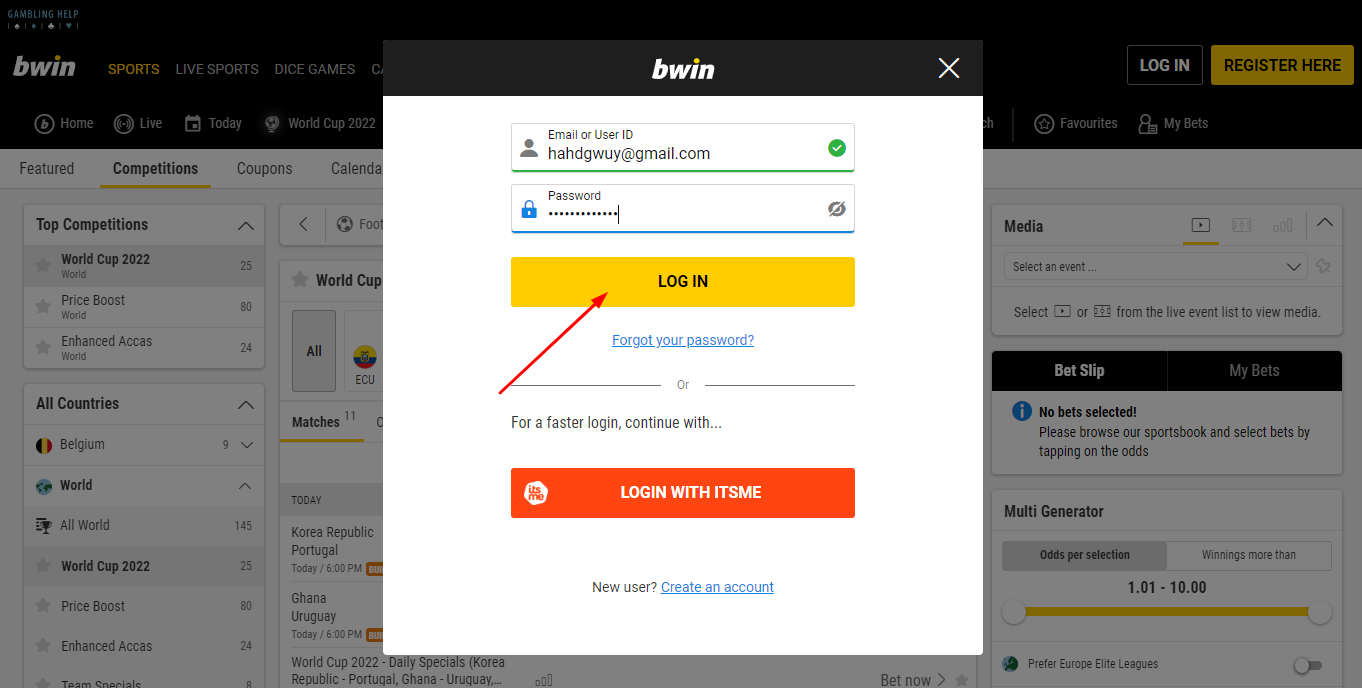
Behebung von Anmeldeproblemen
Wie können wir Anmeldeprobleme in der Spin Samurai Casino App effektiv beheben?
Zu Beginn sollten wir unsere Anmeldedaten kontrollieren; es ist unerlässlich, dass wir den exakten Nutzernamen und das korrekte Passphrase verwenden.
Sollten wir unser Passphrase verloren haben, können wir die Funktion zur Kennwortwiederherstellung in Anspruch nehmen, um zu garantieren, dass unsere E-Mails weiterhin verfügbar sind.
Als nächstes sollten wir sicherstellen, spinssamurai.org, ob die App auf die aktuellste Version upgedatet ist, da alte Software in der Regel zu Kompatibilitätskonflikten verursachen kann.
Das Entfernen des App-Caches oder die Wiederinstallation der Anwendung können zusätzlich anhaltende Login-Probleme beseitigen.
Zusätzlich müssen wir die Kompatibilität des Geräts in Betracht ziehen; einige veraltete Apparate könnten mit neueren App-Aktualisierungen Komplikationen haben.
Sollten die Herausforderungen weiterhin bestehen, kann die Kontaktierung mit dem Unterstützungsteam der App gezielte Unterstützung anbieten, die auf unsere einzelne Lage zugeschnitten ist.
Lösung von Bezahlproblemen
Nach Lösung von Zugangsproblemen können bei der Benutzung der Spin Samurai Casino App Bezahlprobleme geschehen.
Diese Probleme können durch diverse Ursachen entstehen und unser Spielvergnügen stören. Um diese Herausforderungen zielgerichtet zu lösen, sollten wir Folgendes beachten:
- Kontrolle der Bezahlmethode
- Transaktionslimits
- Systemmeldungen
Lösung von Applikationsabstürzen und Stillständen
Obwohl sie für ein packendes Spielerlebnis sorgen, können App-Zusammenbrüche und -Hänger unglaublich ärgerlich sein.

Um diese Probleme zielgerichtet zu beheben, sollten wir anfangs sicherstellen, dass unsere Geräte die Systemvoraussetzungen der App einhalten. Im nächsten Schritt kann das Entfernen des App-Caches und der App-Daten temporäre Fehler beheben und so eine reibungslosere Funktion ermöglichen.
Sollten die Probleme immer noch bestehen, ist ein Aktualisierung der App auf die aktuellste Version notwendig, da die Entwickler regelmäßig Fehlerbehebungen veröffentlichen. Zusätzlich können durch das Beenden von Hintergrundanwendungen Speicherressourcen freigesetzt und somit die Wahrscheinlichkeit von Zusammenbrüchen reduziert werden.
Schließlich kann ein simpler Neustart des Geräts unser System aktualisieren und leichte Performance-Probleme beheben.
Fazit
Abschließend lässt sich sagen, dass die Fehlerbehebung der Spin Samurai Casino App in Deutschland aus geordneten Schritten besteht, die regelmäßig auftretende Probleme wirksam beheben. Indem wir gewährleisten, dass unsere Geräte die Systemvoraussetzungen einhalten, eine zuverlässige Internetverbindung sichern und die Anmeldedaten kontrollieren, können wir potenzielle Schwierigkeiten mühelos überwinden. Außerdem trägt die Handhabung der Bezahlmethoden und das Löschen des App-Caches dazu bei, Abstürze und Einfrieren zu reduzieren. Durch Einhalten dieser Tipps können wir unser Spielvergnügen steigern und eine störungsfreiere und komfortable Benutzung der App sicherstellen.